Before attackers do. Structured threat modelling grounded in CWE, CAPEC and CVE—continuous, methodical, actionable.
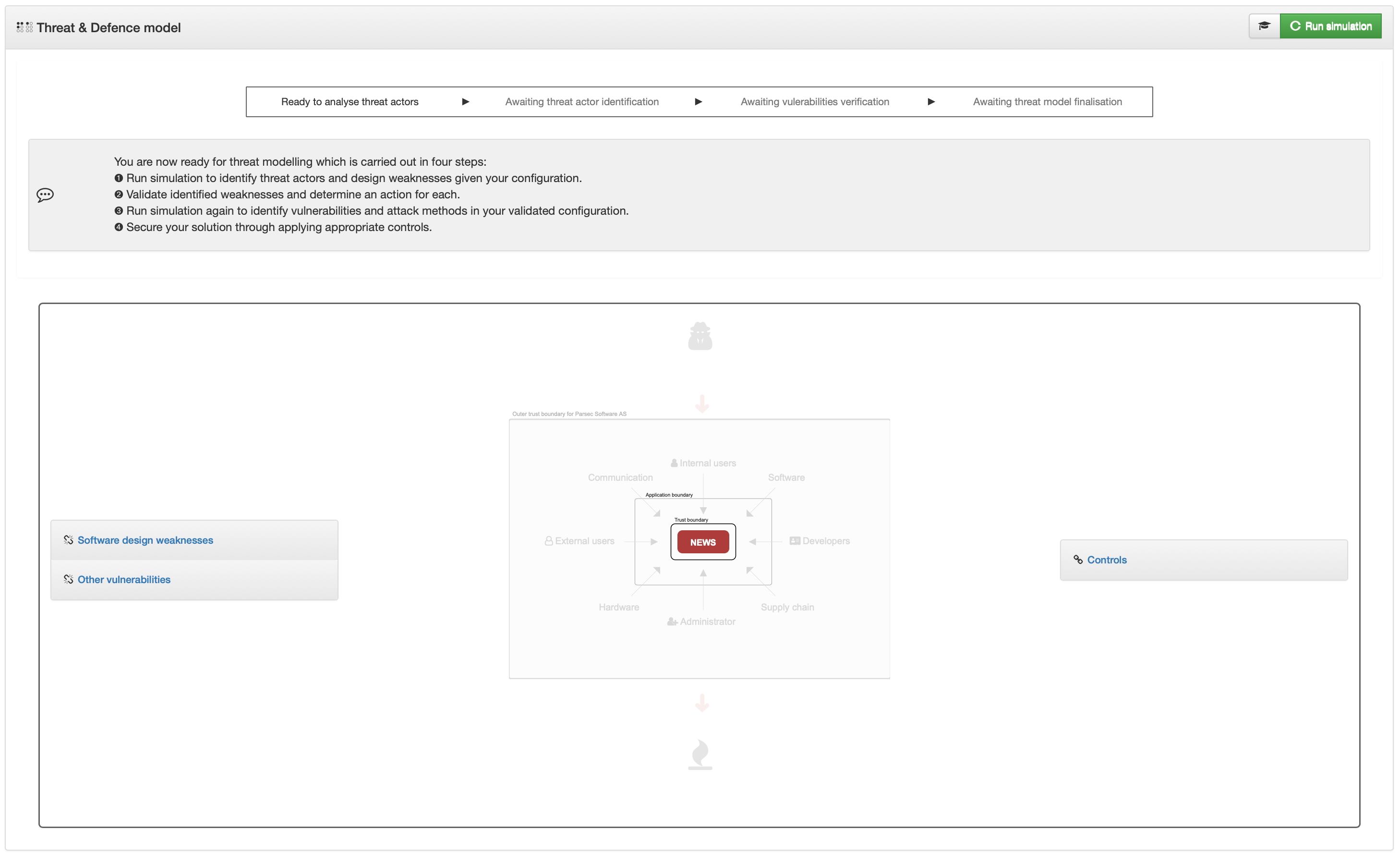
Four phases. Continuous, actionable results. The more precise your stack input, the more targeted the analysis.
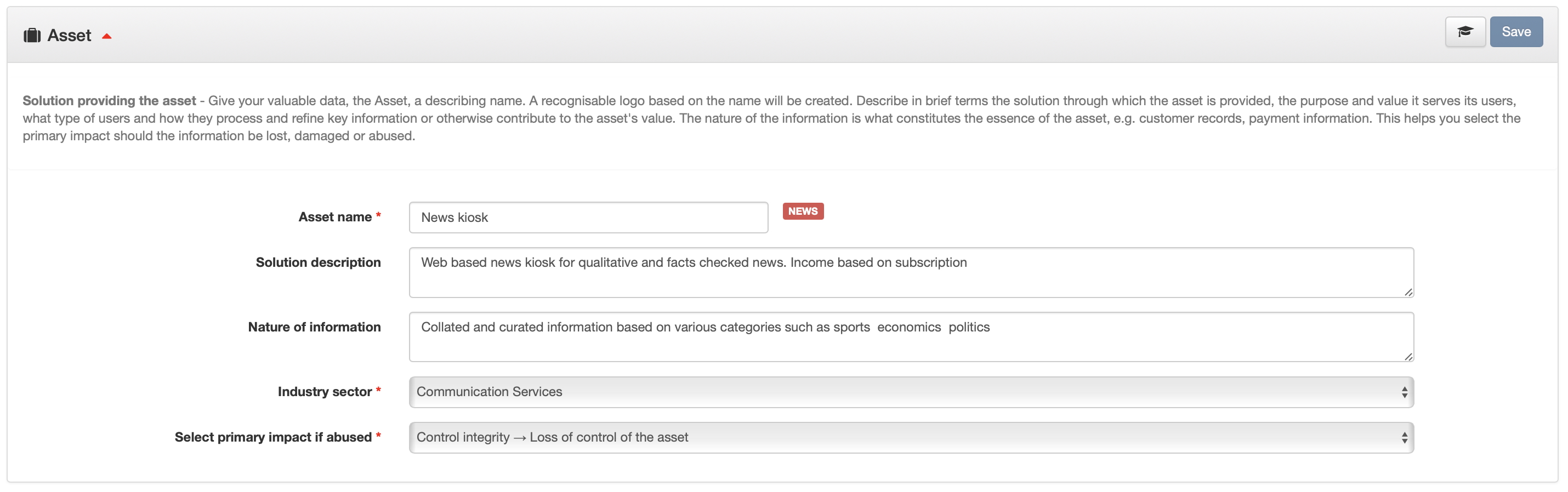
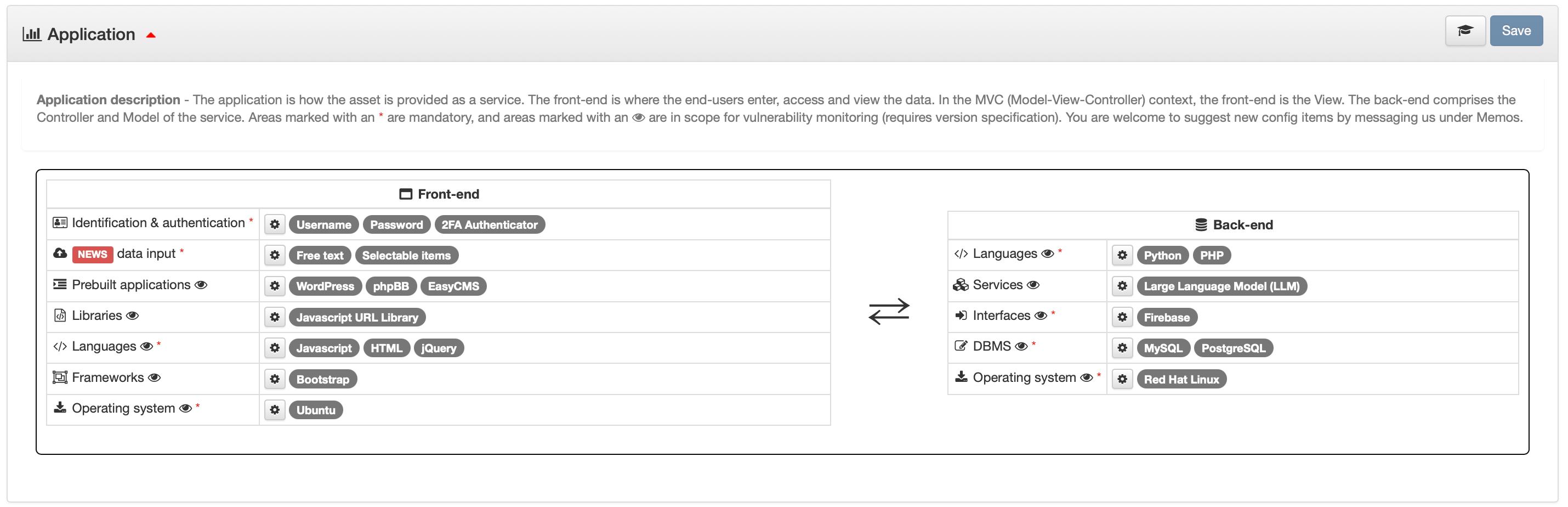
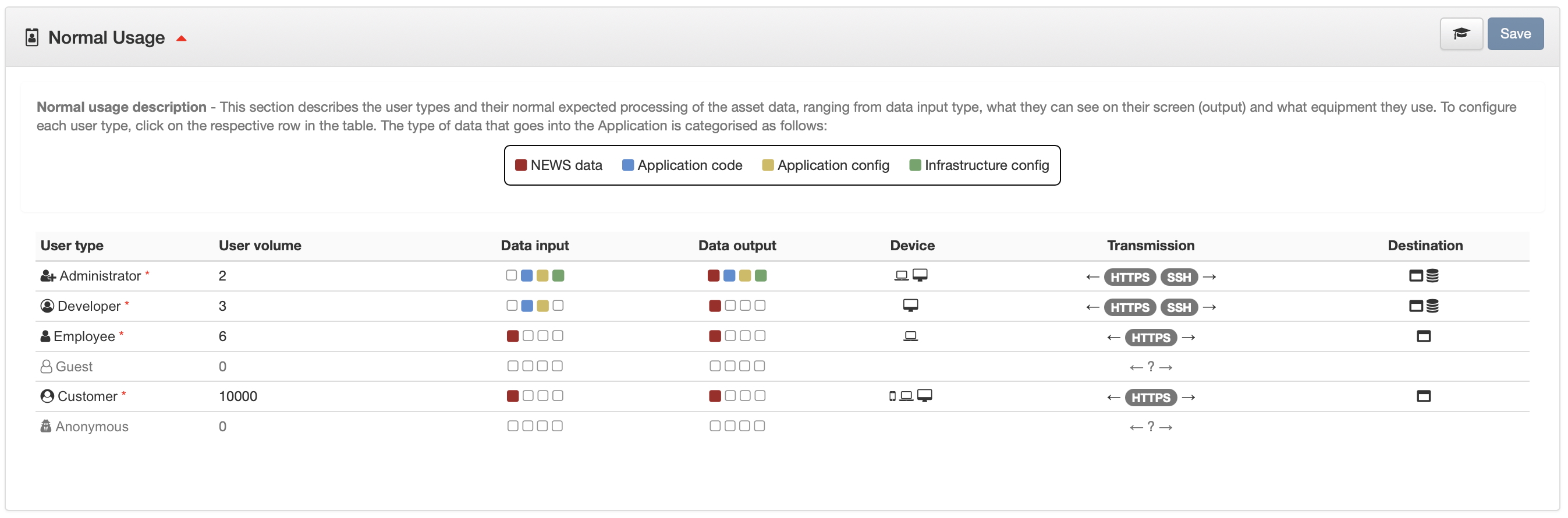
Register your asset, front-end framework, back-end services, libraries, protocols and user types. Precision input drives precision output.
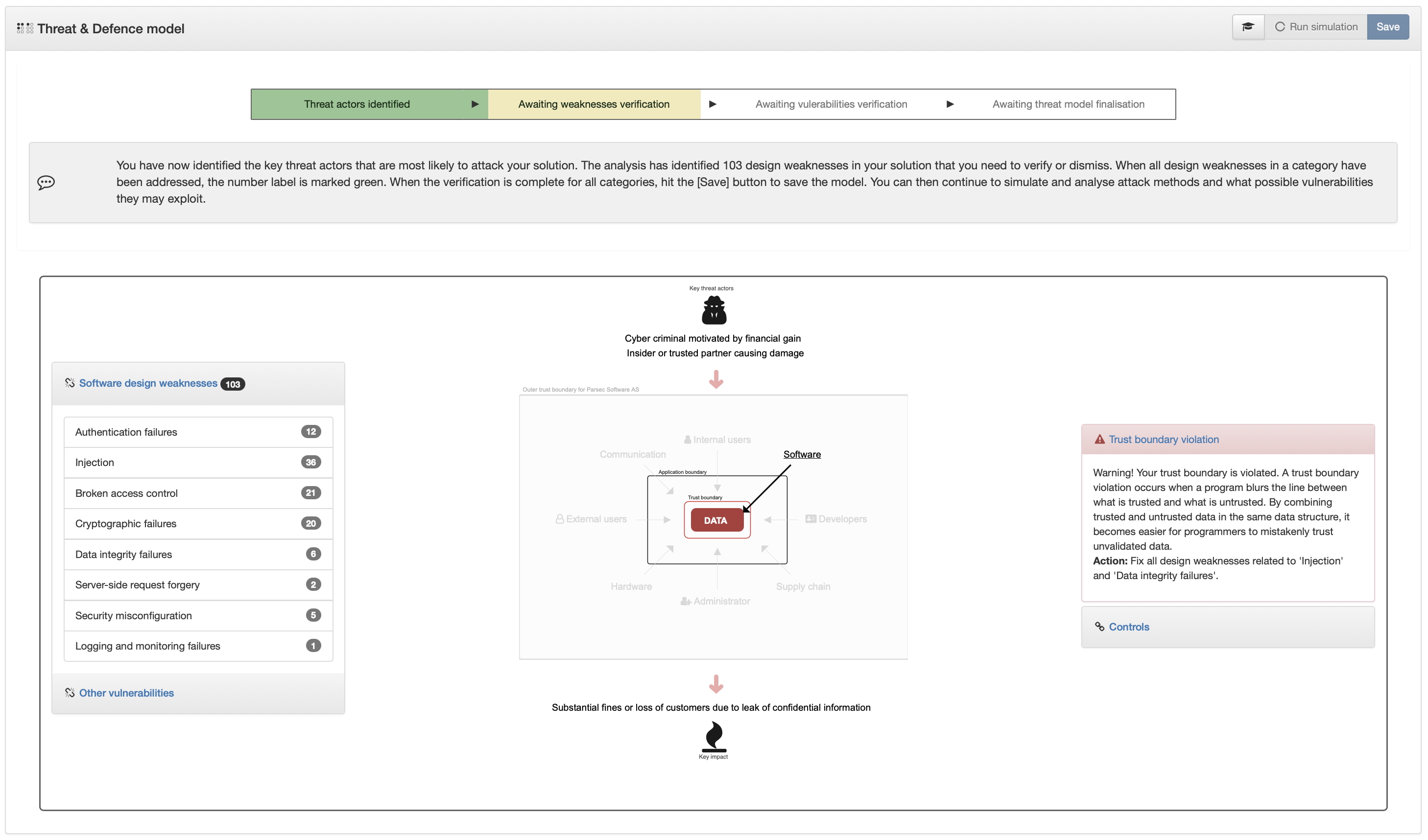
Cross-reference your configuration against the Common Weakness Enumeration to surface design-level weaknesses before code ships.
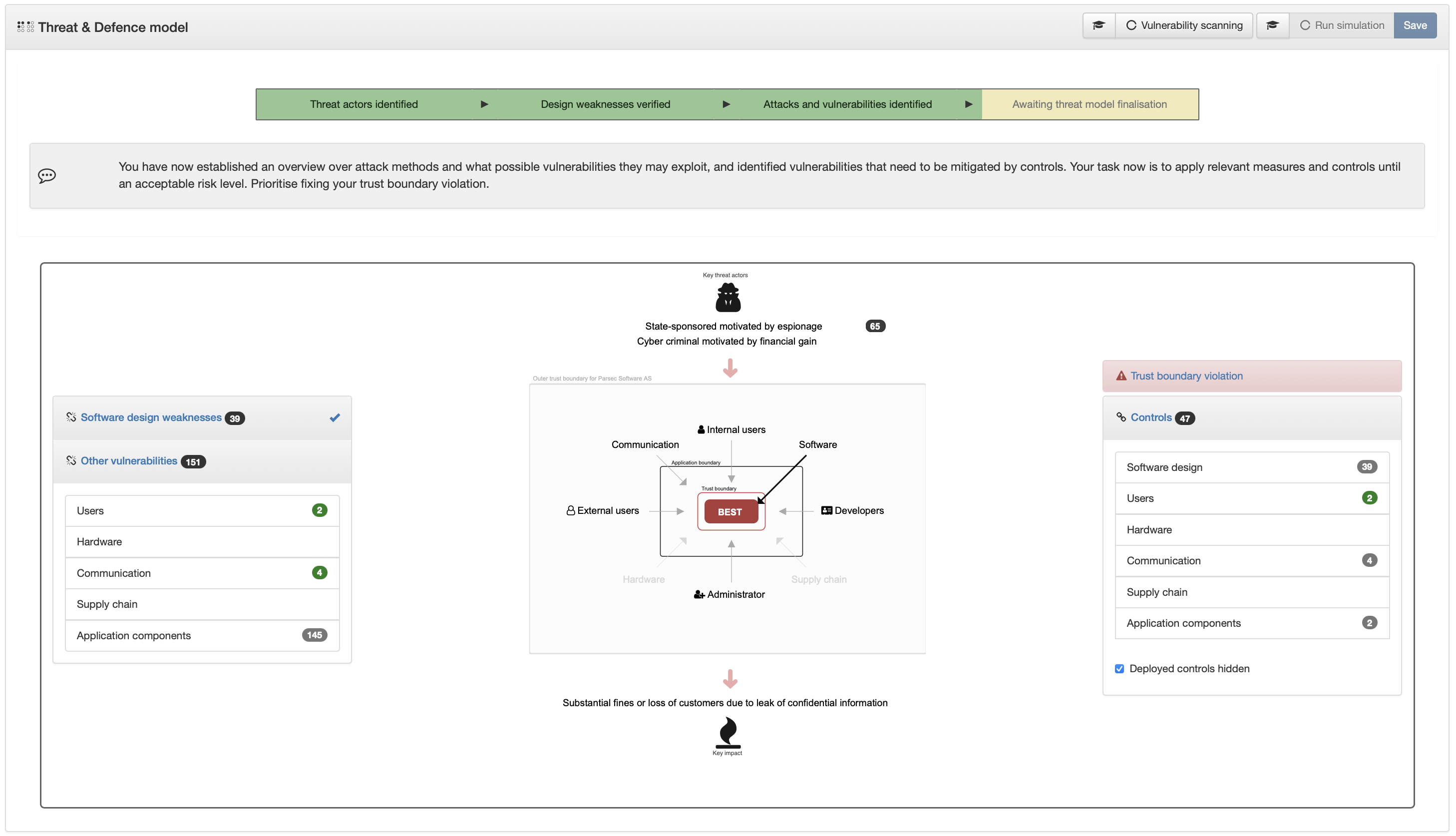
Simulate adversaries via CAPEC patterns—revealing attack methods, lateral paths, and supply chain exposure specific to your stack.
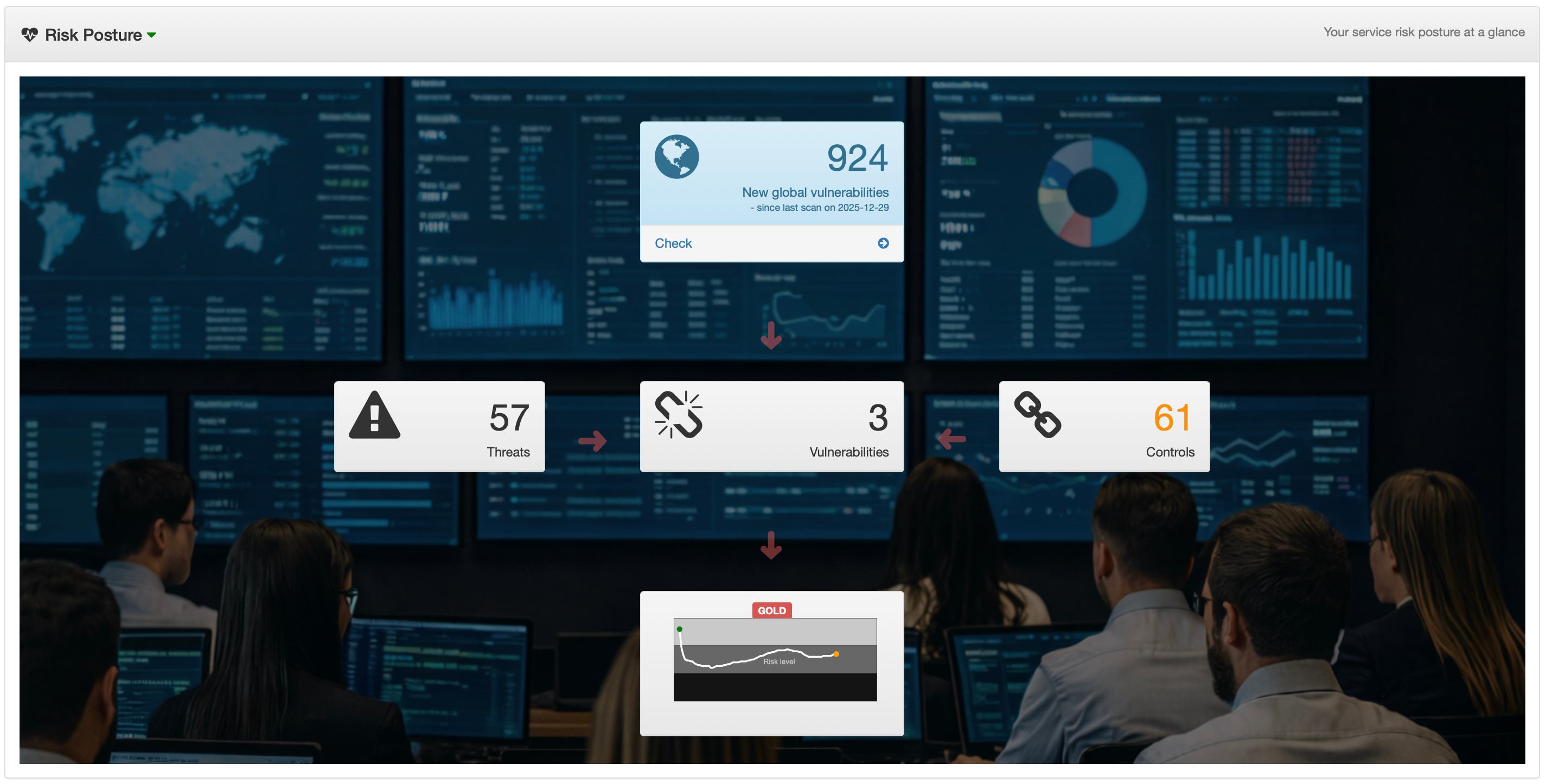
Register components with version numbers. Daily delta checks against the CVE database flag new vulnerabilities scoped only to what you actually run.

From solo engineers to managed enterprise security — pick the coverage that fits your operation.
"This has offloaded tedious but important work that otherwise would have been neglected. We also discovered a design miss that had totally gone under the radar."
"The design of our online service was verified ok, which is good, but the vulnerability monitoring is what truly adds value. Love the riskogram!"
"By leveraging your service, we've learnt to proactively defend our online assets, maintain customer trust, and stay ahead of emerging cyber threats at a very reasonable cost."
CWE at the core: Hundreds of design weaknesses mapped against your specific stack—not a generic checklist. Every finding links directly to its MITRE CWE entry.
OWASP and CAPEC aligned: Attack simulation follows CAPEC patterns and threat categories align with the OWASP Top 10—giving findings immediate credibility in security reviews.
Replace the annual pentest cycle: One month's subscription costs less than one hour with a senior security consultant—while giving you continuous coverage, not a point-in-time snapshot.
Shift-left economics: Threat models produced before development reduce rework cost dramatically compared to findings discovered in production.
Traceable findings: Every weakness and attack vector is referenced to its CWE, CAPEC or CVE identifier—making your threat model auditable and shareable with compliance teams or auditors.
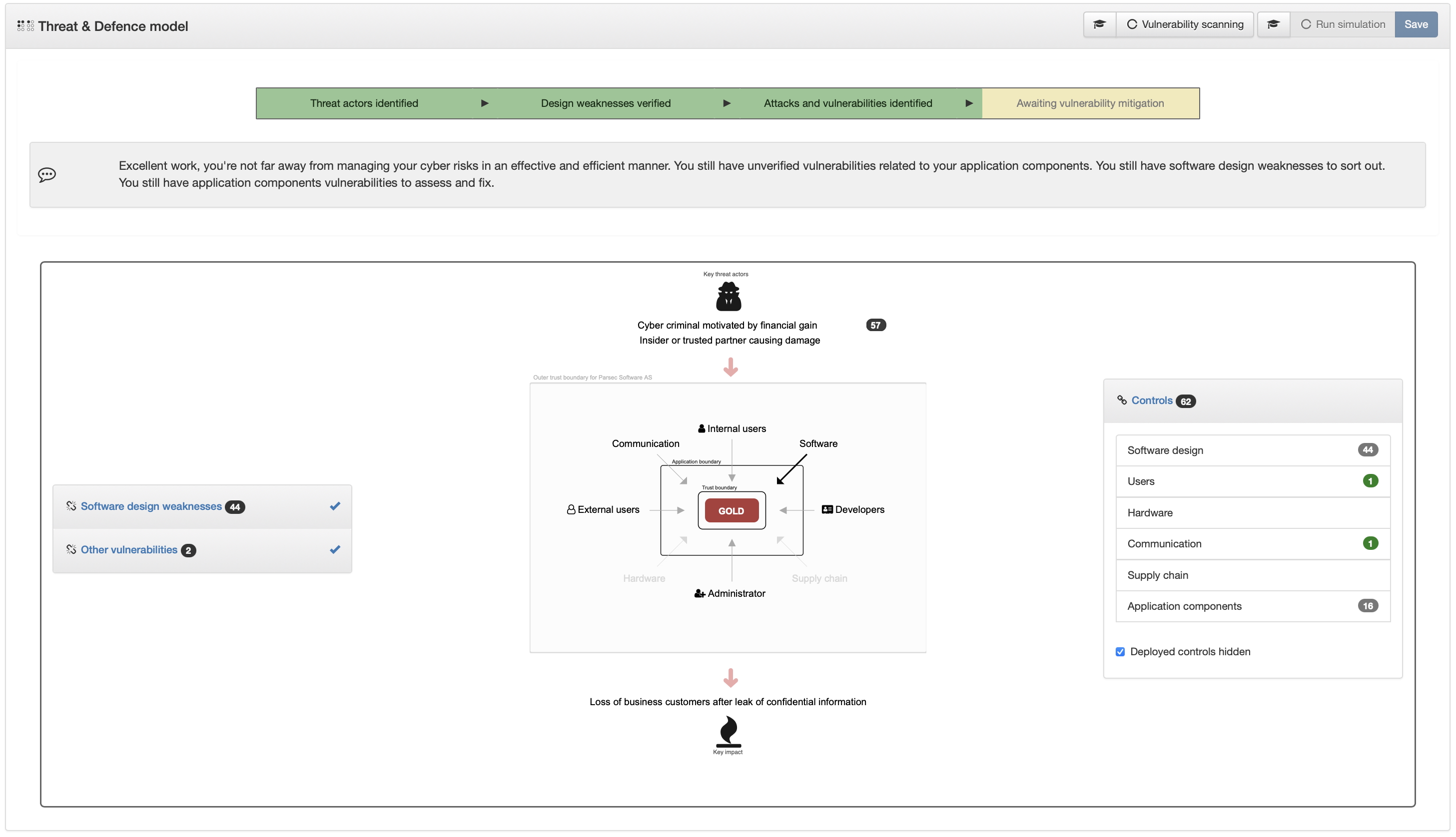
Maturity tracking: Progress from 0–100% with a visible record of what was assessed, fixed, and what is in progress. Built for sprint cycles and security reviews.
No alert fatigue: CVE monitoring is scoped exclusively to the components you have registered—with version awareness. You only get notified about vulnerabilities in what you actually run.
Baseline and delta model: After your first run a baseline is set. Daily checks report only new CVEs that have emerged since—so you stay current without re-reading the entire database.
Get inspired by your increasing maturity level in keeping your service secure. Features unlock progressively as you grow.


Visit our YouTube channel for educational videos on threat modelling, risk assessments and cyber strategy.
Resources for apprentice-level practitioners covering cyber security and risk fundamentals.
Understand important cyber risk topics through educational deep-dive videos.
Extensive tutorials on threat modelling, risk assessments, and cyber strategy planning within cyberriskguru.com.
Hit subscribe to stay informed about new content as it's released.